
The Logic of Conquest
The PrinceThis flow compares hereditary, mixed, free, and ecclesiastical states to show why different political forms demand different methods.
increasing Bearing strength in each event
 decreasing
Bearing strength in each eventdecreasingKinds of Rule
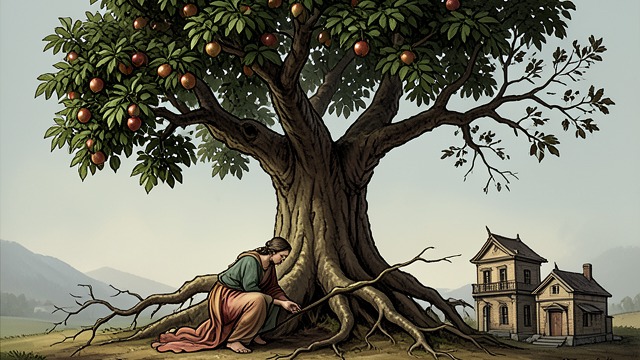
Kinds of Rule
Republics and Principalities
Political communities are first divided between republics and principalities.
Further Distinctions
Principalities may be hereditary, new, mixed, or ecclesiastical.
The classification establishes that political advice must be adapted to the structure inherited by the ruler.
Hereditary Stability
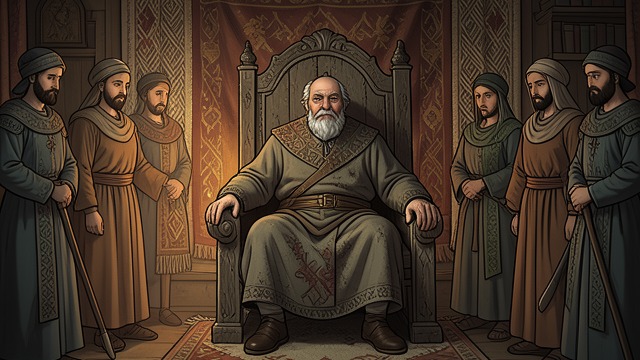
Hereditary Stability
Familiar Rule
Hereditary rulers benefit from custom, memory, and established expectations.
Limited Burden
An ordinary ruler can survive so long as he avoids extraordinary offenses.
Continuity supplies a political reserve that new rulers must create through action.
Mixed-State Resistance
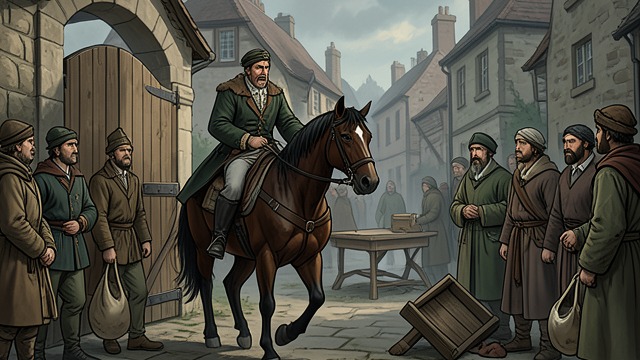
Mixed-State Resistance
Disappointed Subjects
New subjects expect improvement but often receive taxes, troops, and administrative burdens.
Double Hostility
The conqueror alienates both those he injures and those who helped him but cannot be rewarded sufficiently.
Mixed rule is therefore unstable unless language, customs, and institutions are managed carefully.
Free Cities' Memory
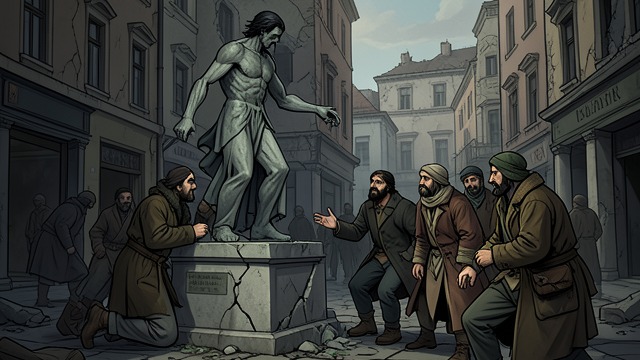
Free Cities' Memory
Liberty
A free city remembers its former institutions even after long subjection.
Resistance
That memory becomes a banner for rebellion whenever the conqueror suffers adversity.
The safest solutions are destruction, residence, or carefully controlled self-government.
Ecclesiastical Security
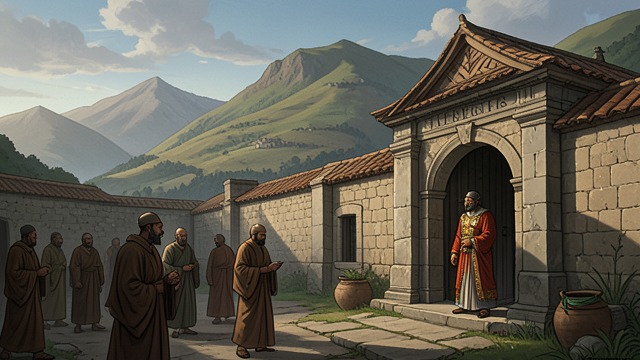
Ecclesiastical Security
Sacred Institutions
Ecclesiastical principalities draw authority from religious institutions rather than ordinary administration.
Exceptional Stability
They may possess territory without defending it directly and subjects without governing them conventionally.
Their apparent exception exposes the limits of purely secular political analysis.
opening classification
early discussion
after annexation
discussion of conquered republics
late classification
